The best plants for Austin beginners.
Starting with the right plants is the difference between a green thumb and a graveyard. These are the plants Will recommends to every new client — chosen for their ability to survive our hard water, AC air, and occasional neglect.
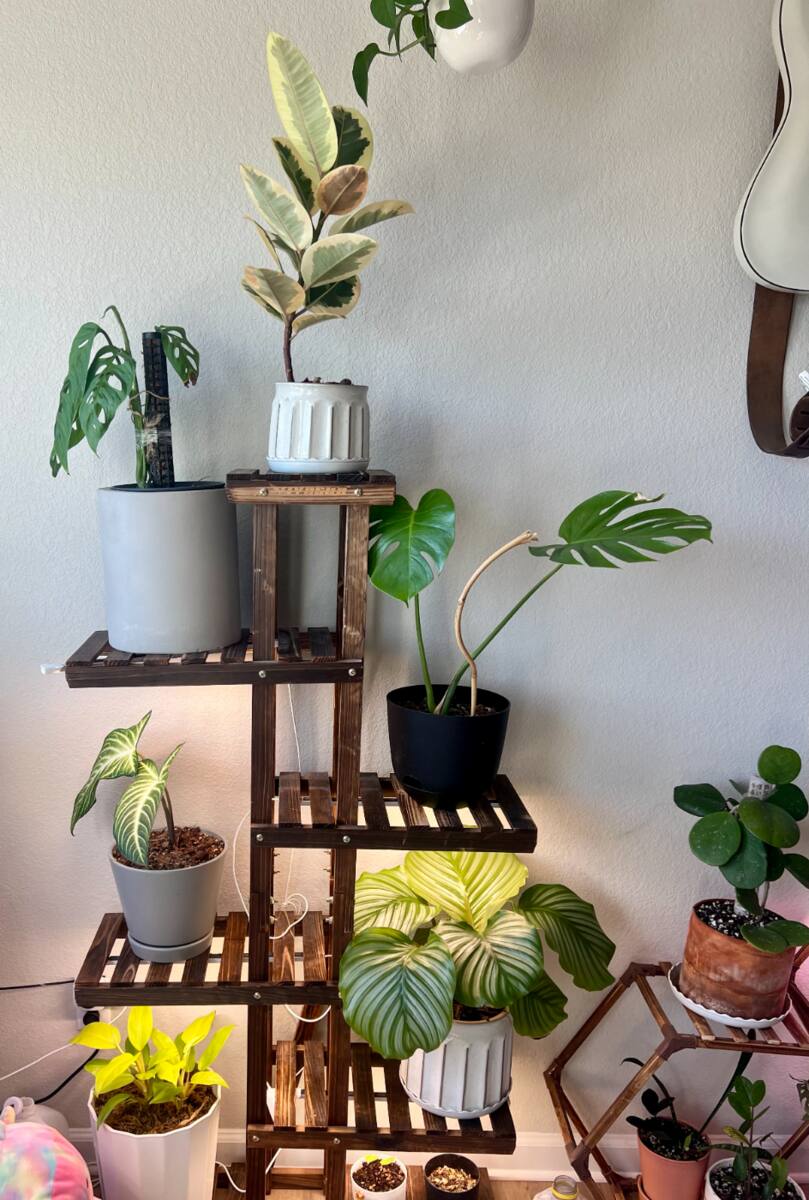
The truly unkillable — start here
These plants will survive almost anything an Austin beginner can throw at them: missed waterings, inconsistent light, AC vents, hard tap water.
- Sansevieria (Snake Plant) — survives drought, low light, AC air, and hard water. Water it once a month. Put it anywhere. Almost impossible to damage.
- ZZ Plant — rhizomes store water underground, handles weeks without watering. Tolerates any light, any Austin water.
- Pothos (Golden or Marble Queen) — fills space fast, tolerates low light, tells you when it’s thirsty by drooping slightly. Self-corrects when you water it.
If you’ve killed plants before, it was almost certainly overwatering. Most plant deaths in Austin aren’t from neglect — they’re from too much attention. Snake plants and ZZ plants actively prefer being ignored. Try ignoring them on purpose.
One step up — rewarding but forgiving
Once you’ve kept a snake plant alive for a few months, these plants reward a little more attention with faster growth and more impressive foliage.
- Monstera deliciosa — Austin’s most popular houseplant. Wants bright indirect light, tolerates neglect, shows you when it needs water. The fenestrated leaves that develop with age are genuinely stunning.
- Philodendron (heartleaf or Brasil) — similar care to Pothos but with more interesting foliage. Trails beautifully, grows fast, forgives missed waterings.
- Rubber Tree (Burgundy or Tineke) — architectural and impressive, tolerates lower light than most large-leaf plants, handles Austin water reasonably well.
What not to start with
These plants are beautiful but will frustrate Austin beginners — they require specific humidity, water quality, or attention levels that are hard to maintain while you’re still learning:
- Calathea/Maranta — dramatically sensitive to hard Austin water and dry AC air. Not a beginner plant for our conditions.
- Fiddle Leaf Fig — hates being moved, hates AC drafts, hates inconsistency. Save this for after you have confidence.
- Maidenhair Fern — needs almost constant humidity, incompatible with Austin AC without a dedicated humidifier.
- Boston Fern — same humidity problem as Maidenhair, but bigger. Looks dramatic on a porch in summer, hates the AC indoors year-round.
- Peace Lily — sensitive to the fluoride and chloramine in Austin tap water. The dramatic droop-then-recover routine is charming, but the brown leaf tips that follow aren’t.
Setting up for success in Austin
Before anything else: read how to water houseplants in Austin. The “water once a week” rule will kill more of your plants than anything else on this list.
Pot choice
Terracotta pots are more forgiving of overwatering than plastic or ceramic — the porous walls let moisture evaporate, reducing root rot risk. Especially helpful in Austin’s AC-cooled air. Start with terracotta for any plants you’re unsure about.
Soil mix
Add perlite to whatever potting mix you buy — about 1 part perlite to 3 parts potting mix. This dramatically improves drainage and reduces overwatering risk.
The finger test
Before every watering, stick your finger 2 inches into the soil. Water only if it’s dry at that depth. This single habit eliminates most beginner plant deaths.
Before buying more plants, buy a small moisture meter ($8 on Amazon). It tells you exactly when to water and eliminates the guesswork that kills most beginner plants.
Let Will look at it in person.
Free consult — Will comes to your space and tells you exactly what your plants need.
Book a free consultStart with what works
Book a free consult with Will.
Will comes to your Austin, Dripping Springs, or Lakeway space — looks at your light, your layout, and tells you exactly what your plants need. Free, no commitment.
Or skip the learning curve
Look — I wrote this whole guide because I genuinely think anyone can keep a pothos alive. But if “learning what each plant needs” sounds like one more thing you don’t have time for, that’s fair. I run a residential care service and right now I’m taking new Austin clients. I pick the plants, deliver them, place them, and come back every two weeks to keep them alive. No experimenting required.
New from Keep Austin Watered — I now run hands-on group plant classes for Austin and Hill Country neighborhoods: repotting, propagation, and plant care, hosted at your HOA clubhouse or a friend’s kitchen table.
Got a cat or dog? Before you fill the house with greenery, here is how I sort houseplants by real pet-safety risk — truly safe, mildly irritating, and the short list of genuinely dangerous ones.
Read next
- Why Big Box Store Plants Die — the four reasons new plants struggle, with a repotting walkthrough (and video).
- Fiddle Leaf Fig Care in Austin (And Why Yours Keeps Dying) — the 5 reasons fiddles fail in Central Texas, and what to do instead.
Related: the ZZ plant, a nearly unkillable starter.
Related: how to use big bright windows instead of fearing them.
Survival Guide
Free guide
Stop guessing — get the free Austin Houseplant Survival Guide
The 7 things that actually kill houseplants in Austin — hard water, AC air, brutal summers, surprise freezes — and exactly how I keep mine alive. Straight to your inbox.
No spam, just plant help. Unsubscribe anytime.